Columns & Departments

New York Real Estate Law Reporter Staff
Variance Annulled For Failure to Make Findings of Fact -Variance Denial Upheld When Owner’s Hardship Was Self-Created
Features

Frederick N. Poindexter
&
Taylor N. Wilson
When it comes to structuring a real estate deal, one of the most fundamental questions is whether the land should be leased under a long-term ground lease or sold outright. At first glance, the distinction may seem simple: a ground lease allows a landowner to retain ownership, and the tenant is permitted to use and improve the land, while a sale conveys fee title to the purchaser. But the legal, financial, and practical consequences of this choice are significant and can shape the future of a property for decades.
Features
Michael Singer
&
Jeff Lieser
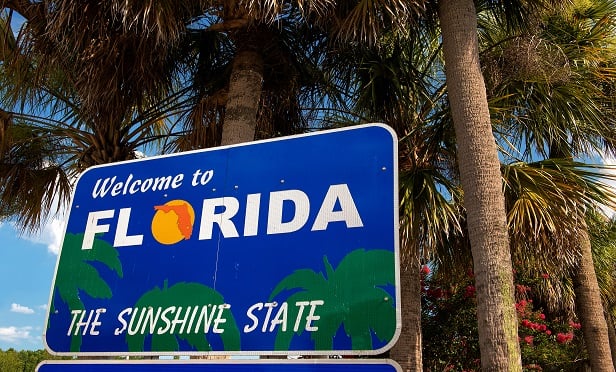
Florida House Bill 7031, eliminating the state’s sales tax on commercial real estate leases beginning Oct. 1, 2025. This long-awaited and sweeping reform ends Florida’s reign as the only state in the nation to impose such a tax and marks a sea change in the state’s commercial leasing landscape.
Features

Katherine Medianik
In today’s economic landscape, many businesses are turning to alternative financing models to access liquidity without disrupting operations. One such strategy — once a niche transaction type, now in the mainstream of real estate finance — is the sale-leaseback. This financial mechanism allows property owners to leverage real estate equity while continuing to occupy and operate their properties.
Features

Gregory Jaske
Real estate businesses and lawyers encounter indemnity provisions in virtually every type of commercial contract. While indemnitees often insist on broad indemnity protection, business owners should be aware of, and try to avoid being bound by, generic indemnity provisions which can be contextually overbroad and result in unanticipated enforcement results.
Features

Brenda Sapino Jeffreys
Law firm leasing grew significantly during the first half of 2025, posting the highest square footage total since 2018, according to a recent Savills report.
Columns & Departments
New York Real Estate Law Reporter Staff
Tenant Did Not Waive Its Right to Renew Lease of Air RightsLandowner Had No Vested Right to Maintain ShedSpecial Permit Denial OverturnedChallenge to Application of Zoning Amendment Not Ripe
Columns & Departments

New York Real Estate Law Reporter Staff
Unit Owner Required to Correct Unauthorized Alterations
Features

Jeremy Herskowitz
&
Aishlinn Bottini
Most contracts dealing with the sale and purchase of commercial real estate provide the purchaser with two primary remedies if the seller defaults, one of which is the right to seek specific performance of the seller’s obligations under the contract. This article explores some situations where specific performance may be available, as well as certain requirements that must be satisfied in order to obtain an order of specific performance.
Features

Claude G. Szyfer
&
Daria D. Anichkova
In late 2024, the City Council upended the New York City rental markets when it passed the Fairness in Apartment Rental Expenses (FARE) Act , which, in part, prevents a real estate broker who “publishes” a real estate listing or who enters into a listing agreement with a landlord from seeking payment of their brokerage fee from the prospective tenant. The real estate industry argued that the law is unconstitutional and preempted by state statute. On June 10, 2025, REBNY v. City of New York allowed the Act to take effect on June 11, 2025. This article analyzes the district court’s decision, its impact, and what happens next.
