Features

Linda A. Thompson
With tech giants’ influence on the White House on the rise, the likelihood of U.S. retaliation in response to enforcement of both longstanding EU antitrust rules and newer digital regulations has grown. At the same time, the EU’s own stated desire to cut red tape has raised existential questions about the future of the EU as a global regulatory superpower whose laws are emulated by nations and adhered to by companies around the world.
Features

Victoria Cash
&
Amy Hilbert
The Freedom of Information Act (FOIA) stands at a critical juncture heading into 2025. Federal agencies are grappling with mounting backlogs, increasingly complex data landscapes, and rising cybersecurity threats. As a new administration takes office, the urgency to adopt innovative, effective solutions has never been greater.
Features

Michael Bahar
&
Pooja Kohli
&
Rachel May
While change is a constant in the privacy, security and technology arena, 2025 is poised to be a landmark year. New technologies will continue to radiate through the economy — and our lives — while the new Trump Administration is likely to emphasize innovation over protection, reward maximization over risk minimization, and incentivizing over enforcing.
Features

Elkan Abramowitz
&
Jonathan Sack
Corporate deferred prosecution agreements (DPAs) have become a key part of white-collar criminal enforcement. Once seen as an efficient and definite way to resolve an investigation, have corporate DPAs become less certain and beneficial over time?
Features

Cara M. Peterman
&
Sierra Shear
&
Carissa Lavin
Driven by promises of increased efficiency and innovation, companies spanning a wide variety of industries are rapidly adopting and investing in artificial intelligence (AI). The explosion of interest in AI has also spurred the attention of the SEC and private shareholder plaintiffs. Companies should continue to closely consider their public statements related to AI and implement appropriate precautions when discussing their AI initiatives.
Features
John C. Coffee, Jr.
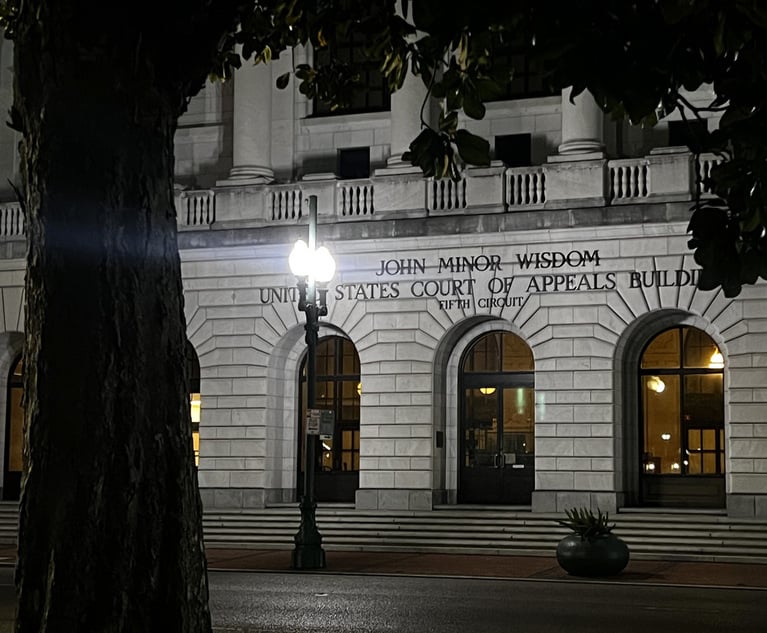
Events have moved swiftly and symptomatically lately in the Fifth Circuit. Long known as the circuit with the greatest skepticism of federal regulation of the economy, it turned its attention to the Corporate Transparency Act, which requires non-exempt companies to report the identity of their beneficial owners.
Features

Michael A. Mora
In a 72-page opinion, the U.S. Court of Appeals for the Third Circuit directed the Securities and Exchange Commission (SEC) to clarify for Coinbase Global Inc. “how and when the federal securities laws apply to digital assets” like cryptocurrencies and tokens.
Features

Jonathan New
&
Patrick Campbell
&
Jamie Reiner
This article first discusses the legal backdrop of the UK’s new strict liability law and then summarizes what companies need to know about the new UK guidance, with particular emphasis on the areas where it expands on the ECCP.
Features

Paul St. Clair
Ensuring robust DNC compliance protects an organization's reputation and increases consumer trust. Below is a practical guide for building and implementing DNC policies that ensure compliance and reduce liability.
Features

Ryan Krone
&
Richard Brosnick
Companies need to seriously consider the potential antitrust risks when using AI-driven or algorithmic software-based third-party services for things such as pricing or inventory management. These tools can increase efficiency, but, depending on specifics, can also lead to serious antitrust risks.
