“Not Merely Monkey Business”: The Bored Ape Case and NFT Branding in the Ninth Circuit
On July 23, 2025, the Ninth Circuit issued a pivotal decision regarding digital art, blockchain technology, and trademark law. The ruling not only clarifies that non-fungible tokens (NFTs) are protectable “goods” under federal trademark law, but also sets important standards for how courts should analyze consumer confusion, fair use, and First Amendment protections surrounding artistic expression in the rapidly evolving NFT marketplace.
9 minute read August 01, 2025 at 12:01 AM
By
Howard Shire and Di’Vennci K. Lucas
Image from court documents
On July 23, 2025, the U.S. Court of Appeals for the Ninth Circuit in Yuga Labs Inc. v. Ripps, No. 24-879, 2025 WL 2056060 (9th Cir. 2025),issued a pivotal decision regarding digital art, blockchain technology, and trademark law.
This premium content is locked for Cybersecurity Law & Strategy subscribers only
ENJOY UNLIMITED ACCESS TO THE SINGLE SOURCE OF OBJECTIVE LEGAL ANALYSIS, PRACTICAL INSIGHTS, AND NEWS IN Cybersecurity Law & Strategy
Stay current on the latest information, rulings, regulations, and trends
Includes practical, must-have information on copyrights, royalties, AI, and more
Tap into expert guidance from top entertainment lawyers and experts
Adverse Possessor Provided Insufficient Evidence to Support TackingTown’s Installation of Guardrails Did Not Constitute a TakingMortgagee Entitled to Deficiency JudgmentLandowner Adequately Alleged Trespass During Renovation
How can legal teams move fast, reduce costs, and handle greater volumes of information? AI has rapidly become the de facto answer. But beneath the enthusiasm for AI, how are practitioners actually using AI-driven tools — and what are they learning as adoption shifts from experimentation to daily operations?








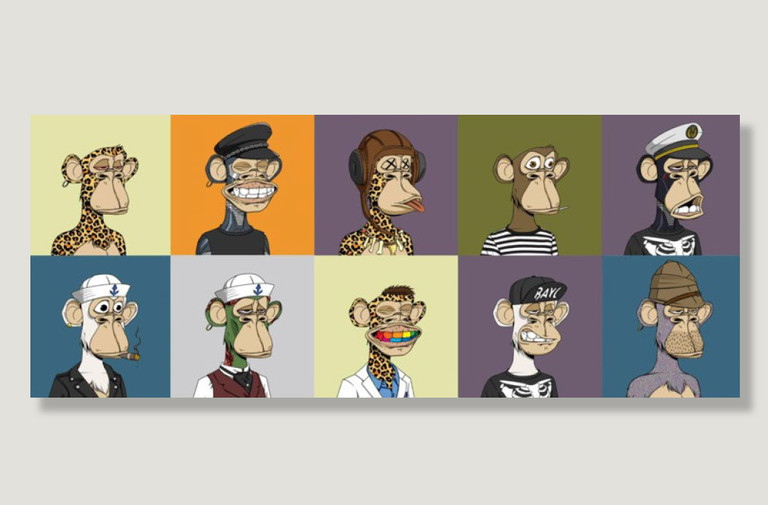 Image from court documents


