Stop running pilot after pilot with different tools but failing to move beyond testing. Start with business outcomes. Redesign processes and guardrails. Rethink pricing models. And then, with clarity of purpose, choose the tools that enable the future of legal work.
- August 31, 2025Don Jaycox and Dan Safran
The end of Google page one is not the end of discovery. It is the beginning of a new discovery model — one where the winners are those who align with how buyers actually search, learn, and decide in the age of AI.
August 31, 2025Patricia NagyWhen employees leave, they don’t just walk out the door with their personal belongings, they often take with them valuable institutional knowledge, IP, and other business-critical data. Without proper data retention policies for departing employees, organizations risk losing essential information, exposing themselves to security threats, and facing costly legal consequences.
August 31, 2025Jason PurvianceInstead of eliminating legal jobs, generative AI can be transformative for the in-house role by stripping away repetitive tasks and giving lawyers room to focus on higher-value work.
August 01, 2025Trudy KnocklessIn April 2025, the United Kingdom secured its first-ever criminal conviction for a breach of Russian sanctions — a milestone in the global enforcement landscape. But beneath the headline lies a far more pressing narrative: how a sanctioned Politically Exposed Person (PEP) was able to enter the UK, open a bank account, and launder funds through mainstream financial and non-financial institutions without detection.
July 31, 2025Matt WinlawOn July 23, 2025, the Ninth Circuit issued a pivotal decision regarding digital art, blockchain technology, and trademark law. The ruling not only clarifies that non-fungible tokens (NFTs) are protectable “goods” under federal trademark law, but also sets important standards for how courts should analyze consumer confusion, fair use, and First Amendment protections surrounding artistic expression in the rapidly evolving NFT marketplace.
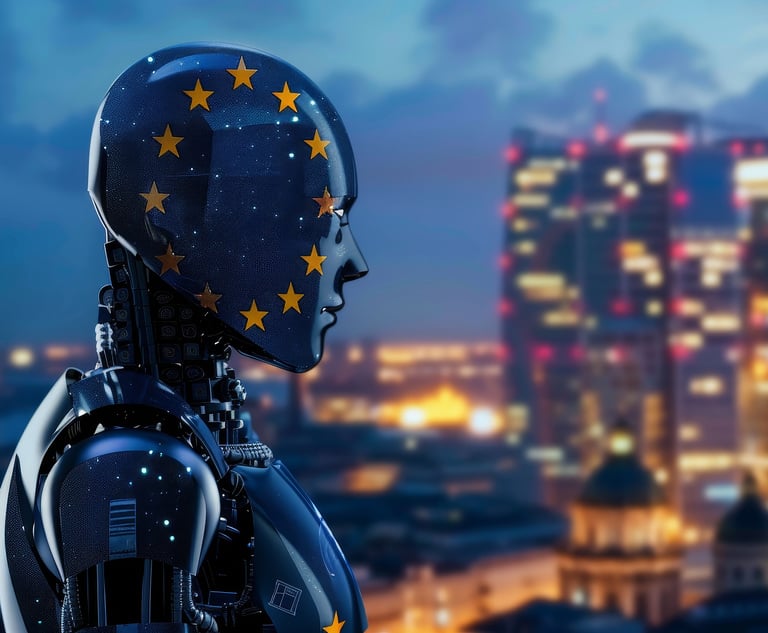
July 31, 2025Howard Shire and Di’Vennci K. LucasWhile the EU AI Act certainly deserves compliments for both its pioneering nature and numerous thoughtful provisions aimed at the efficient and effective regulation of modern AI, it is not without its drawbacks.
July 31, 2025Ilia KolochenkoDenmark aims to make EU history by using copyright law — not privacy rules — to crack down on deepfakes and protect personal likenesses, diverging from the approaches adopted in the U.S. and other nations.
July 31, 2025Linda A. ThompsonThis two-part series summarizes modern security practices as advised by NIST’s latest guidelines, a framework that prioritizes proactive, resilient and user-friendly strategies. Part One of the series, published in last month’s issue, offered 10 must-know tips to improve personal cybersecurity; Part Two shares 10 tips to take your firm or organization’s security from good to great.
July 01, 2025Karun Mahadevan and Antonio ChelalaIn a show of continuity between administrations, the Biden-era Executive Order 14117 — designed to restrict foreign access to Americans’ most sensitive personal data — has been allowed to take effect in the second Trump administration.The Department of Justice’s implementing regulation for this Order, finalized in late December 2024, became enforceable in April 2025.
June 01, 2025Matthew Baker and Nick Palmieri and Justin Bryant