Features

Ryan Ward
Most days, preparing and prosecuting patent applications follows a familiar rhythm. Talk with the inventors. Draft the application. Wait for the Patent Office. Argue a few times. Secure the patent. Repeat. But every so often, a case reminds us that our work can mean much more — especially when something has gone wrong, and someone needs an advocate to make it right.

Alex Anteau
After putting a months-long pause on all of his active Schedule A cases, Judge John Kness in the U.S. District Court for the Northern District of Illinois issued a scathing opinion calling out the practice and urging his fellow jurists to reassess their approach to the litigation strategy.
Features

Alex Reese
&
Thomas J. Pardini
Two judges in the Northern District of California recently issued groundbreaking summary judgment rulings regarding whether an artificial intelligence company’s scraping and ingestion of copyrighted works to train its LLMs qualified as fair use. Both decisions carry potentially seismic importance for AI companies and intellectual property litigators.
Features

Michelle Morgante
A trademark battle that pitted technology giant OpenAI against a company known as Open AI (note the space between the terms) has resulted in a summary judgment that has ordered the smaller enterprise to cease use of the name and its prized internet real estate, open.ai.
Features

Stephen M. Kramarsky
In late July, two important decisions came down from courts in the Northern District of California regarding the unauthorized use of copyrighted material for the training of large language models. No real consensus has emerged as to the effect they will have on the broader AI litigation landscape.
Features

Aaron Bradford
&
Allen Adamson
Protectable rights are created the same way a successful brand is established — linking your Mark and your company’s offering in the minds of the consumer is a must. The good news? Regardless of your company’s size or marketing budget, this necessary connection can be achieved.
Features

Lea Speed
&
Dominic Rota
Just three months ago, Acting Director of the U.S. Patent and Trademark Office (USPTO) Coke Morgan Stewart rescinded existing guidelines governing the Patent Trial and Appeal Board’s (PTAB) discretion to deny petitions for inter partes review (IPR) and post-grant review (PGR) when parallel litigation is already pending in federal district court or the U.S. International Trade Commission (ITC). Acting Director Stewart replaced those guidelines with new interim processes that rely on the Director to issue decisions on patent owners’ requests for discretionary denials.
Columns & Departments

Howard Shire
&
Di’Vennci K. Lucas
“Not Merely Monkey Business”: The Bored Ape Case and NFT Branding in the Ninth Circuit
Features

Howard Shire
&
Di’Vennci K. Lucas
On July 23, 2025, the Ninth Circuit issued a pivotal decision regarding digital art, blockchain technology, and trademark law. The ruling not only clarifies that non-fungible tokens (NFTs) are protectable “goods” under federal trademark law, but also sets important standards for how courts should analyze consumer confusion, fair use, and First Amendment protections surrounding artistic expression in the rapidly evolving NFT marketplace.
Features
Ilia Kolochenko
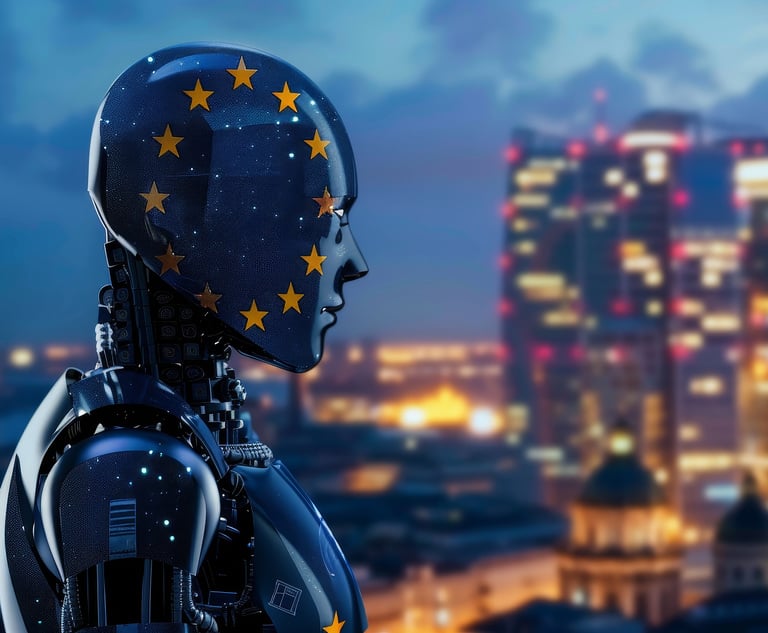
While the EU AI Act certainly deserves compliments for both its pioneering nature and numerous thoughtful provisions aimed at the efficient and effective regulation of modern AI, it is not without its drawbacks.
